

• Regeln für den Dokumente-Bereich:

    In den Börsenbereich gehören nur Angebote die bereits den Allgemeinen Regeln entsprechen.

    Allgemeines:

    Nicht erlaubt im Dokumente-Bereich sind:

    - indizierte Titel (inkl. Comics)
    - extremistische Werke, Zeitschriften und Comics (egal, welche Richtung)
    - jegliche Art von Pornographie
    - Anleitungen zu kriminellen Handlungen, gleich welcher Art
    - sadistische, menschenverachtende oder ähnliche Werke

    Nutzt den "Bedanken"-Button, bei Sammelthreads führen jegliche Kommentare, positiv wie negativ, sehr schnell zu einer Unübersichtlichkeit des Threads. Downmeldungen sind an den Uploader zu richten

    Vor dem Einstellen zu beachten:

    - Suchfunktion

    Vergewissert euch, dass es euer Dokument noch nicht im Board gibt, Doppelposts werden kommentarlos gelöscht. Ist es schon vorhanden, tragt es als Mirror im bestehenden Post ein.

    - Threadtitel

    Idealerweise ist sofort zu erkennen um was es sich handelt. Verseht euren Titel mit den relevanten Informationen, das hilft euch und damit auch uns und allen Suchenden erheblich weiter.

    Beispiel: [Thriller] Dan Brown - Inferno oder bei Magazinen:

    Computerbild - 14/2014 (es muss ersichtlich sein, um welche Ausgabe und welches Magazin es sich handelt)

    Folgende Präfixe stehen im Unterforum "Unterhaltung" zur Verfügung:

    [Humor]
    [Drama]
    [Erotik]
    [Fantasy]
    [Krimi]
    [Roman]
    [Thriller]
    [Horror]
    [Science Fiction]

    Inhalt des Beitrags:

    Folgende Pflichtangaben gilt es einzuhalten:

    - Autor
    - Titel
    - Präfix
    - Cover
    - Genre
    - Inhaltsbeschreibung
    - enthaltene Formate
    - Gesamtgröße des Downloads
    - Hoster
    - ggf. Passwort

    Nicht erlaubt sind alle Dateien, die den Download unnötig aufblähen um eine Affiliategrenze zu erreichen, wie zB. mp3-files, übergroße Bilder, etc.

    Ebenso nicht erlaubt sind sämtliche Dateien mit DRM, persönlichen Daten, etc., diese werden kommentarlos zu eurem eigenem Schutz gelöscht.

    Achtet bitte bei der Konvertierung der Formate auf die Lesbarkeit, ein epub, was nur einfach durch Calibre gejagt wird um ein PDF zu erhalten, ist zu 99% eben nicht lesbar. Wenn ihr es nicht könnt, dann lasst es besser oder lest euch ein, wie man es richtig macht.


    Unterforum Comics:

    Threadtitel:

    Ähnlich, wie bei Unterhaltung und Magazinen, sollte der Titel alle relevanten Informationen enthalten, hier bitte

    - den Titel des Comics
    - den Verlag (einige Comics sind in verschiedenen Verlagen erschienen)
    - das Erscheinungsjahr

    Erlaubt sind folgende Formate:

    - CBR
    - CBZ

    Grundsätzlich gilt: jede Version eines Comics erhält einen eigenen Thread, Ersteller eines Comics können ihre Bände gerne mit dem Zusatz (Original-Release) versehen.

    Bei Unsicherheiten zur korrekten Benennung bitte die Informationen von www.comicguide.de nutzen.

    Inhalt des Beitrags:

    Pflichtangaben hier sind:

    - Titel des Bandes und ggf. Nummer
    - Cover
    - falls bekannt technische Daten (DPI, Breite, Speicherqualität)
    - Größe des Downloads
    - Hoster
    - ggf. Passwort
    - falls bekannt Releasenamen
  • Bitte registriere dich zunächst um Beiträge zu verfassen und externe Links aufzurufen.

++ Premium IPTV ++ 7000 Live Sender ++ UHD Qualität ++ Mediathek mit 18.000 Inhalten ++


VenneTV


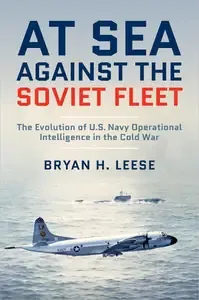
At Sea Against the Soviet Fleet The Evolution of U.S. Navy Operational Intelligence in the Cold War

nakara

vocalmvp.com Pro Member
c835e476eb13d5100d912db44ba1be25.webp

Free Download At Sea Against the Soviet Fleet: The Evolution of U.S. Navy Operational Intelligence in the Cold War by Bryan H. Leese
English | October 14, 2025 | ISBN: 1682472027, 9781591147015 | True EPUB | 472 pages | 17.9 MB
At Sea Against the Soviet Fleet is a history of the evolution of the United States Navy's Operational Intelligence culture that informs great power competition with China today.​

At Sea Against the Soviet Fleetexamines the critical transformation of naval intelligence during a pivotal era marked by the Cold War and the Vietnam conflict. Bryan Leese meticulously details how U.S. Navy operational intelligence evolved to meet the complexities of modern naval warfare, particularly in response to the increasing threats posed by the Soviet Navy. Structured into four main parts, this book begins by examining the Vietnam War and the institutionalization of shipboard operational intelligence, or what Navy intelligence calls Opintel. The book highlights the establishment of Integrated Operational Intelligence Centers as part of the RA-5C Vigilante program and the innovative strategies that emerged in air combat and targeting.
Leese goes on to underscore the necessity of Opintel to the U.S. Navy's close and distant blockade strategy in the 1960s and 1970s. He delves into the decentralization of intelligence processes, emphasizing the importance of adaptability and the need to prevent surprise attacks. This evolution is framed within the transition to the Navy's Ocean Surveillance Information System, a decentralized and responsive operational intelligence system. The ongoing developments of shipboard intelligence capabilities are explored, demonstrating how these advancements empowered naval commanders.
In the 1970s, the organizations evolved as the revolutionary Opintel adaptations of the 1960s that leveraged cooperation without hierarchy became formalized. Leese highlights the revolution to evolution process by introducing Opintel support to shipboard tactical decisions to integrate operational intelligence into comprehensive naval strategies. Capturing the essence of this transformative period, the author discusses the cultural dynamics within the Navy that fostered innovation and interdepartmental collaboration. These developments not only contributed to maintaining a strategic edge over the Soviet Union, but also laid the groundwork for future naval operations in the digital age.
Leese's work reveals the intricate interplay between technology, strategy, and personnel in creating an effective intelligence framework that allows the U.S. Navy to assert influence at sea, setting conditions for sea control in conflict. By blending rich archival research with firsthand accounts, this book offers a nuanced understanding of how the Navy adapted to an ever-changing operational landscape, ultimately preserving peace while navigating the complexities of high-stakes maritime conflict.

​
Links are Interchangeable - Single Extraction​
 
Zurück
Oben Unten